Coffee Jesus Leopard PNG – Design Review for Embroidery
Last week I was prepping a batch of custom tote bags for a local coffee shop that wanted something unexpected for their retail counter. The owner said she wanted a design that felt warm, a little irreverent, and memorable enough that people would carry it everywhere. I pulled up Coffee Jesus Leopard PNG and immediately knew this was the kind of piece that would either land perfectly or need careful handling depending on the product and fabric. After stitching it out on several different blanks and testing it across multiple hoop sizes, I want to share what I found so you can decide if this design belongs in your next batch of work.
Checking the Vibe: First Impressions of Coffee Jesus Leopard PNG
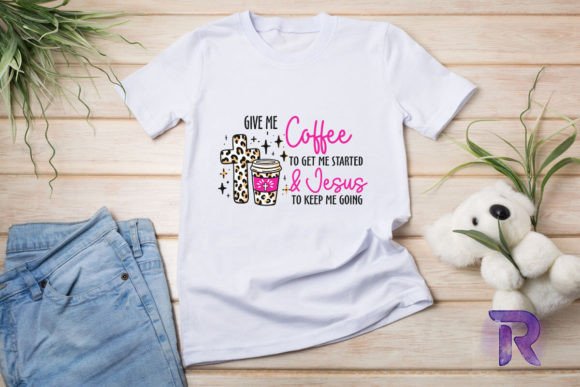
The first thing that hit me was the personality. This design leans into a playful, slightly bold mood without being aggressive. The combination of coffee imagery with the leopard print backdrop creates a visual that feels both cozy and wild at the same time. That kind of contrast is rare in machine embroidery design work because most files play it safe with either clean minimal lines or dense decorative fills. Coffee Jesus Leopard PNG sits somewhere in between. It has enough detail to feel intentional but not so much that it reads as cluttered. The shape reads well from a few feet away, which is important for any product you want to sell or gift. For a T-Shirt Designs category piece, this one has a strong sense of identity. It is not a generic coffee cup or a standard religious motif. It mixes two visual languages in a way that feels modern and conversational.
Real Performance Across Different Products
I ran Coffee Jesus Leopard PNG through several product types to see where it really shines and where it needs adjustment. Here is what I found from actual stitching tests.
Custom Apparel and Sweatshirts
On a mid-weight cotton sweatshirt, this design settled in beautifully. The leopard print element created enough visual texture to stand out against the fabric without fighting it. I used a medium hoop size and a cutaway stabilizer, and the stitchout came out clean. The coffee cup element held its shape well, and the leopard spots read clearly even after the first wash. For any embroidery project involving cozy apparel, this design feels right at home.
Tote Bags and Aprons
I tested it on a linen tote bag and a cotton apron. On the tote, the design sat nicely near the center panel and gave the bag a boutique feel. The leopard accents added enough edge that the bag did not look like a basic giveaway item. On the apron, I placed it on the chest panel, and it worked as a conversation starter without overwhelming the garment. If you are a small shop product maker or an Etsy seller looking for something that stands out in a market full of script monograms and simple florals, this design gives you a solid differentiator.
Baby Items and Nursery Decor
This is where I paused. Coffee Jesus Leopard PNG has a mature feel because of the leopard texture and the coffee theme. For baby bibs, onesies, or nursery pillows, I would personally pass unless the client specifically requested an edgy adult humor piece for a parent. The design is not baby-themed, and forcing it onto infant products might confuse the audience. Stick to items aimed at adults or teens for the best fit.
Caps and Curved Surfaces
I also tested it on a structured cap. The leopard element has enough open space that it did not distort badly on the curve, but I recommend reducing the hoop size and using a firm stabilizer. If your cap has a front panel with limited real estate, check the dimensions of Coffee Jesus Leopard PNG against your hoop before committing. It can work, but it requires a deliberate placement and maybe a test stitch on a practice cap first.
Where Coffee Jesus Leopard PNG Needs Careful Handling
Every design has its limits, and being honest about those limits saves thread, fabric, and frustration. Here is where I would use this design with extra caution.
- Small hoop sizes: If you are working with a 4x4 hoop or smaller, the leopard print detail may become too tight. The spots need enough room to read as leopard and not as random blobs. I recommend checking the file dimensions before you resize.
- Stretchy or thin fabrics: Performance tees, jersey knits, and lightweight fabrics can shift under the needle with this design. The fill areas need stable fabric. Use a strong stabilizer and consider a test run on scrap material first.
- Dark fabric backgrounds: If the leopard print uses lighter thread colors against a black or navy fabric, the contrast will be strong, but the finer details might get lost. I tested it on white and heather gray and got the best clarity there. On dark fabric, check your thread color contrast in a quick mockup before stitching.
- Frequent wash items: Towels, kitchen linens, and baby blankets that get washed often may cause the leopard fill stitches to loosen over time if not properly stabilized. If you are putting this on a high-use item, use a dense stabilizer and keep the design away from edges that fold frequently.
What This Design Does for Your Finished Product
When I put Coffee Jesus Leopard PNG on a finished tote and handed it to the coffee shop owner, she immediately said it looked like something people would keep for years. That kind of reaction is what every handmade product maker wants. The design gives the item a story. It is not just a logo or a generic graphic. It makes the person carrying it feel like they are in on something clever. That builds customer trust and makes your product more giftable. For anyone selling custom apparel or personalized gifts, this design adds perceived value because it looks like someone put thought into the artwork. The leopard print element, in particular, makes it feel less mass-produced and more like a boutique item you would find in a curated shop.
From a branding perspective, if you are building a craft business or an Etsy store, using designs like this one helps you stand out in a saturated market. Many sellers rely on the same few fonts and floral motifs. Adding a design with personality gives your shop a voice. And because Coffee Jesus Leopard PNG comes from https://embroidersden.com/product/coffee-jesus-leopard-png/, you are working with a piece that already has a clear visual direction. That makes it easier to build a cohesive product lineup around it.
Designer Notes Before You Load the Hoop
Before you stitch Coffee Jesus Leopard PNG into a real project, here are the practical steps I recommend based on my own testing.
- Test on scrap fabric first. Even if you think the design will behave well, run a test on a fabric similar to your final product. Check the stitch density, the way the leopard spots land, and whether the coffee element reads clearly.
- Check thread color contrast. The design may come with suggested thread colors, but your fabric color changes everything. If you are stitching on a light fabric, the leopard print will pop. On dark fabric, consider reversing the palette or using a lighter background fill.
- Review stitch density. Leopard print patterns can have dense areas if the spots are large or overlapping. If your machine bogs down or the fabric puckers, reduce the density in your software or simplify the fill areas.
- Confirm your hoop size. This design may be sized for a 5x7 hoop or larger. If you only have a 4x4, check the dimensions before purchase. Resizing too small can ruin the proportion of the leopard elements.
- Use proper stabilizer. For medium-weight fabrics, a tearaway stabilizer may work. For stretchy or thin fabrics, use a cutaway stabilizer to maintain shape after repeated washing.
- Check licensing before selling. Since this design is from a digital product marketplace, confirm whether the license allows commercial use for finished products or digital resale. Most digital embroidery file purchases for commercial embroidery projects require a specific commercial license. Do not assume you can resell the design itself or use it in unlimited production without checking the terms.
- Test in black and white. Run a grayscale mockup of the design. If it still reads clearly without color, the design has strong structural integrity. If it looks muddy in grayscale, the color contrast is doing most of the work, and you will need thread choices that replicate that contrast.
Is Coffee Jesus Leopard PNG Right for Your Next Project?
If you are an apparel decorator or a small business owner looking for a design that sparks conversation and holds up well in production, this is a strong candidate. It works best on medium to heavy fabrics, on products aimed at adults, and in projects where you want the design to be a focal point rather than a subtle accent. The leopard print gives it texture, the coffee element gives it warmth, and the overall mood gives it personality. I would use it for sweatshirt embroidery, tote bag designs, aprons, and boutique apparel. I would avoid it for baby items, tiny hoop projects, and heavily textured fabrics like fleece or deep pile knits unless you test thoroughly.
For Etsy sellers and creative entrepreneurs, this design offers a chance to create finished products that feel original. In a market where many handmade products look similar, Coffee Jesus Leopard PNG gives you a visual hook that customers remember. Pair it with quality blanks and thoughtful packaging, and you have a product that sells itself. As with any machine embroidery design, the final result depends on your preparation, your stabilizer choice, and your fabric selection. But if you take the time to test and tweak, this design can become a reliable piece in your product rotation. I have already had two customers ask about the tote bag I made, and I plan to keep this design in my active library for future projects.