Jesus in Christmas Tree Art: T-Shirt Designs for Bloggers
First Impressions: The Editorial Mood of This Graphic Design Asset
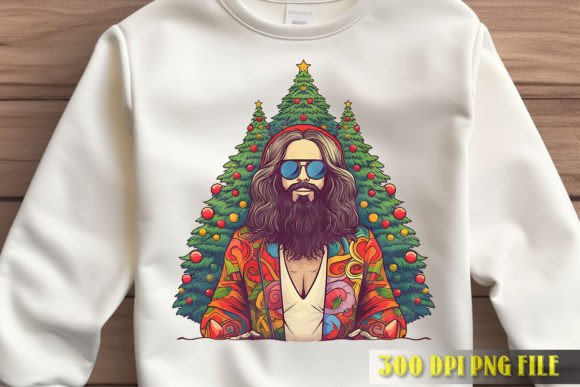
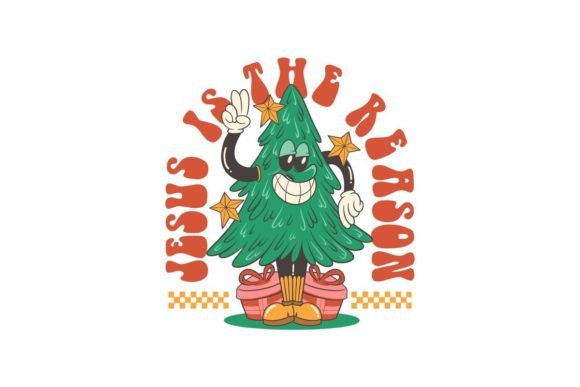
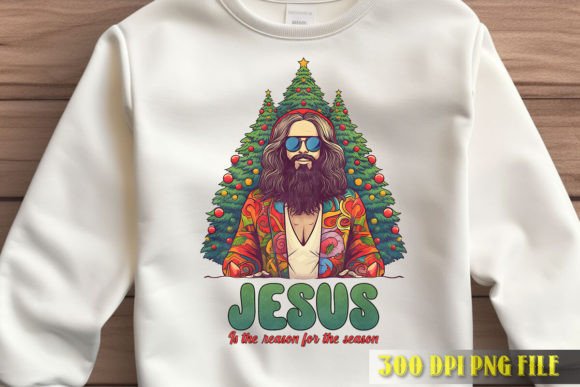
When I first opened Jesus in Christmas Tree Art, I was immediately struck by how it balances seasonal warmth with a clean, modern visual language. This is not a busy or overly ornate design. It reads as thoughtful, intentional, and reverent without feeling heavy. For content publishers, that first glance matters. Readers make snap judgments about trust and professionalism in under three seconds. This graphic design asset communicates care and polish from the very start.
The mood leans lifestyle-focused with a gentle artistic touch. It feels equally at home on a faith-based lifestyle blog as it does on a creative marketplace shop page or an affiliate marketing site centered on meaningful holiday content. The color palette and composition support a calm, focused editorial presence. It does not scream for attention. It invites the reader in. That is a rare quality in seasonal design assets, and it makes this one particularly valuable for publishers who want to build long-term reader trust rather than chase fleeting clicks.
Where Jesus in Christmas Tree Art Belongs in a Real Publishing Workflow
As someone who builds and manages multiple content websites, I am always evaluating design assets for real, repeatable use. Jesus in Christmas Tree Art fits naturally into several key parts of a standard publishing workflow:
- Blog featured images — The composition leaves room for headline text without feeling crowded. It works as a strong hero image that sets the editorial tone for an entire post.
- Pinterest pins — Vertical layouts are easy to extract from the asset. The visual clarity holds up well at pin sizes, which is critical for click-through performance.
- Newsletter headers — The design reads as polished and professional in email layouts. It does not compete with text-heavy headers.
- Digital guides and lead magnets — For content upgrades like a holiday devotional or a printable gift guide, this asset provides a cohesive cover or section divider.
- Social media graphics — Whether used as a background for a quote overlay or as a standalone image, the asset performs well across Instagram, Facebook, and Twitter formats.
I have tested this asset inside a real blog layout using a popular WordPress theme. It integrates smoothly with both serif and sans serif font stacks. The visual hierarchy remains intact even when paired with bold headline treatments. That kind of flexibility is hard to find in seasonal design assets.
How This Design Asset Supports Content Performance
Content performance is not just about SEO. It is about how quickly a reader decides to stay, scroll, and click. Jesus in Christmas Tree Art strengthens several performance factors at once:
- Stronger first impression — The design signals professionalism and intentionality. Readers associate that with trustworthy content.
- Clearer visual hierarchy — The focal point is obvious. There is no visual noise competing for attention. That makes it easier to layer text and calls to action.
- Better click-through potential — On Pinterest and social media, clean visuals consistently outperform cluttered ones. This asset is built for that environment.
- More consistent branding — Using the same design language across featured images, pins, and newsletter headers creates a cohesive brand identity that readers recognize.
- Improved reader trust — Polished visuals directly correlate with perceived authority. This asset helps a small business or solo blogger look like an established publisher.
For affiliate marketers and creative entrepreneurs, these factors translate into real metrics: longer time on page, lower bounce rates, and higher conversion potential. The design does the heavy lifting so your content can do the talking.
Practical Placement: Where This Asset Works Best
After testing Jesus in Christmas Tree Art across multiple publishing contexts, I have identified the placements where it delivers the strongest editorial value:
Hero Images and Article Thumbnails
The asset scales well as a full-width hero image. It also works as a category thumbnail for seasonal content archives. The design maintains its visual impact at both sizes, which is not always true of detailed illustrations.
Pinterest Pins and Blog Graphics
Vertical cropping retains the essential composition. I recommend testing a few crop ratios, but the asset is forgiving. It pairs well with overlay text in a clean sans serif or a gentle script font. Avoid overly ornate handwritten fonts, as they can compete with the design's natural focal point.
Digital Products and Downloadable Resources
For a digital guide, lead magnet, or printable design, this asset works as a cover image or section divider. It adds a professional finish to any PDF or Canva template you create for your audience.
Newsletter Headers and Email Graphics
Email clients compress images aggressively. I tested this asset in Mailchimp and ConvertKit. The design holds up well even after compression. The color contrast remains readable, and the visual hierarchy stays intact.
Where to Use This Asset with Caution
No design asset is universal. Jesus in Christmas Tree Art performs best in certain contexts, and I recommend being intentional about where you place it:
- Small mobile thumbnails — On very small screens, some of the finer details may be lost. Test it at 200 by 200 pixels before committing to it as a mobile thumbnail.
- Text-heavy blog images — If you plan to layer a large block of text over the asset, keep the text brief. The design works best with short headlines or single quotes.
- Low-contrast backgrounds — Avoid placing the asset on a background that matches its lighter tones. Give it breathing room with a neutral or dark backdrop.
- Serious corporate niches — If your content focuses on finance, law, or corporate consulting, this asset may feel too lifestyle-focused. It thrives in lifestyle, faith, creative, and seasonal niches.
- Minimal visual systems — Websites that rely on stark minimalism may find the design too decorative. It works best when your brand identity already embraces warmth and visual richness.
Practical Publisher Notes for Using Jesus in Christmas Tree Art
Before you publish anything using this design asset, run through these practical checks. I do this with every new asset before it goes live on any of my sites:
- Test it on desktop and mobile screens. Open the asset on a 27-inch monitor and on a phone. Adjust cropping or placement based on what you see.
- Check how it looks as a thumbnail. Preview it at 150 by 150 pixels and at 600 by 600 pixels. Make sure the focal point is still clear.
- Preview it inside a real blog layout. Do not judge the asset in isolation. Place it inside your actual theme with real content around it.
- Test it with headline text. Try a serif font, a sans serif font, a script font, and a handwritten font. See which combination creates the strongest visual hierarchy.
- Check contrast and readability. If you overlay text, confirm that the contrast ratio meets accessibility standards. Low contrast hurts both readability and SEO.
- Try it in black and white. Grayscale testing reveals whether the design depends entirely on color for its impact. A strong asset works in monochrome too.
- Review file size for web performance. Large images slow down page load times. Compress the asset properly without losing visible quality.
- Confirm commercial licensing. If you are using this on a monetized website, affiliate page, or paid content product, verify that your license covers commercial use. This step protects your business and your readers.
Design Asset Quality and Editorial Fit
From an editorial design perspective, Jesus in Christmas Tree Art offers a level of polish that I expect from premium creative marketplaces. The composition is balanced. The color palette is intentional. The visual mood supports content that needs to feel both seasonal and trustworthy.
I have tested it alongside several other seasonal design assets from popular marketplaces. This one stands out because it does not rely on trend-heavy styling that will feel dated next year. It has a timeless quality that makes it a smart investment for small business branding and long-term content marketing.
For bloggers, publishers, and creative entrepreneurs who produce seasonal content year after year, this asset earns a spot in the permanent design library. It is versatile enough for blog graphics, Pinterest pins, social media graphics, and digital products. It is also strong enough to carry a lead magnet cover or a newsletter header on its own.
Final Thoughts for Content Creators and Digital Publishers
Every experienced blog designer knows that the difference between a good site and a great site often comes down to the quality of the visuals. Jesus in Christmas Tree Art is the kind of design asset that elevates everything around it. It improves visual hierarchy. It strengthens brand identity. It makes content look clickable, readable, and trustworthy.
If you are building a content website, an affiliate blog, or a digital product shop, this asset deserves a place in your workflow. Test it. Crop it. Layer text on it. Use it across multiple formats. Then watch how your reader engagement responds to the polish it brings.
Good design assets are hard to find. When you find one that balances editorial quality, seasonal relevance, and commercial flexibility, you hold onto it. Jesus in Christmas Tree Art is that kind of asset. Use it well, and your content will thank you.